
November 22nd, 2026
I went out with a friend to the photographer-friendly East/West 90. The weather has gotten extremely cold in the low 30s. There was frost sparkling in the sunshine everywhere as we walked along the canal where photographers can walk as long as they stay out of the fields where the hunters are. The crisp clean air was exhilarating and I got to show my friend the beauty of early morning as the sun is rising with only a few clouds.
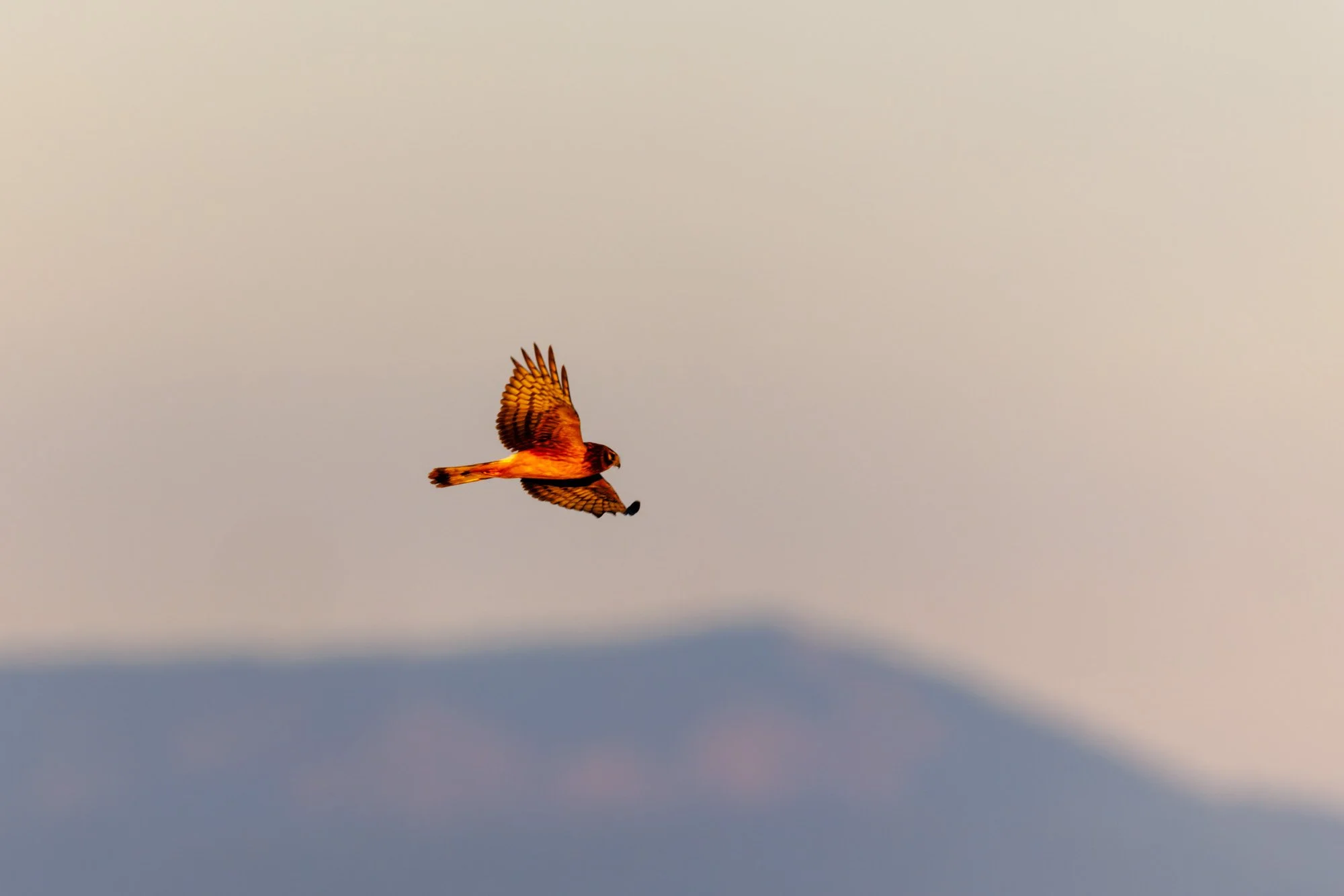
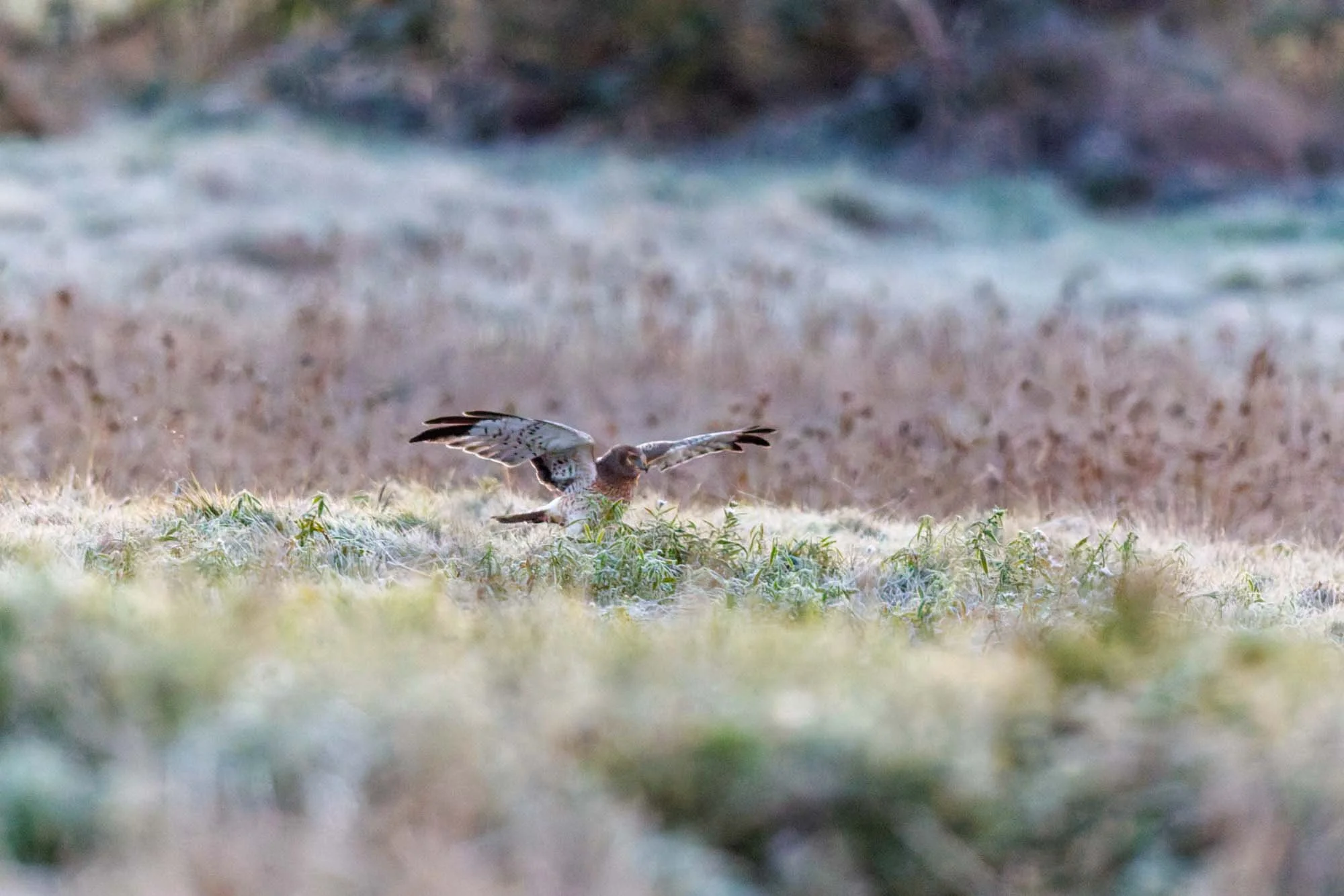
This is an area dedicated to wildlife and populated by many Bald Eagles, Short-eared Owls, and other birds especially during late fall to early spring. There are fields of grain dotted everywhere. Several bald eagles in the air scanning for prey. They just glide around soaring high above as they search. The short ears are lower to the ground. Many times we saw one dive down in search of food. They do a simple twist in the air and dive to the ground. Amazing in the early morning light.
East 90 and West 90 are the common names for two units of the Skagit Wildlife Area along Bayview-Edison Road near Edison. East 90 is the Samish River Unit; West 90 is the Samish Unit. Both names come from the sharp 90-degree bends in the roads that border them. The units sit in the Samish River delta where diked agricultural fields meet tidal wetlands. Photographers and birders stay on the canal path or roadside shoulders; the fields themselves are hunters-only zones during waterfowl season so that the two groups remain separated.
The fields are managed with plantings of barley, corn, and fava beans. These crops supply leftover grain and green forage for the large numbers of wintering waterfowl. The same fields also grow grass that supports high densities of voles and other small rodents. That combination of waterfowl forage and rodent prey is what draws the raptors through the cold months.
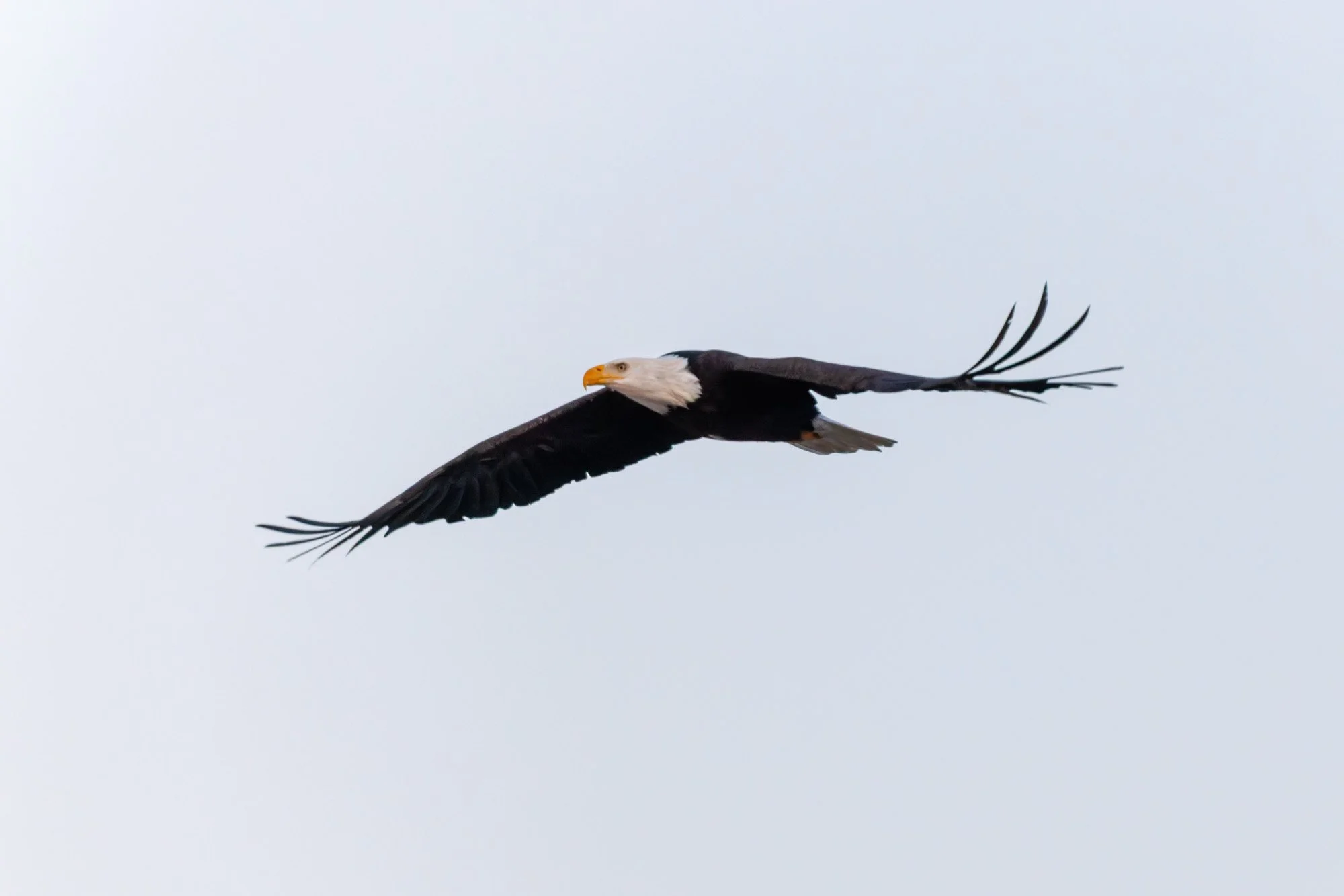
The hunting styles of the two main raptors are distinct. Bald Eagles work from height. They soar in wide circles high over the flats, using their excellent vision to scan for fish, waterfowl, or carrion. When they commit, they stoop in a long, powerful dive. Short-eared Owls stay low. They fly with slow, buoyant wingbeats just above the grass, listening and watching for voles. When they detect prey they twist in the air and drop straight down, often disappearing into the vegetation for a moment before rising again. The difference in altitude and technique is easy to see on a clear morning when both are working the same fields.
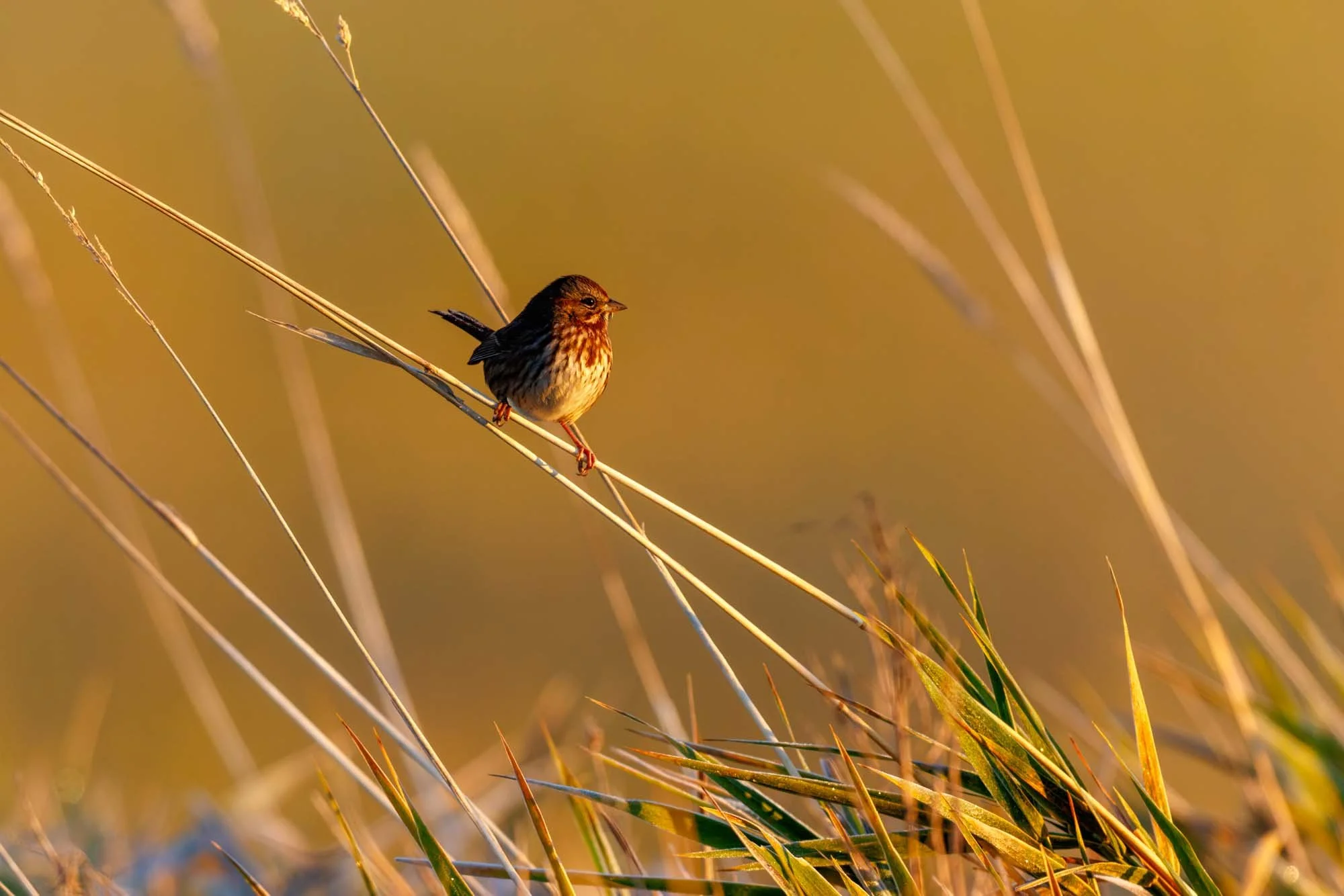
You also see a lot of birds flitting around like this one that visited us just as we were walking towards my car